
Blog
What baits work best for catching predatory fish?
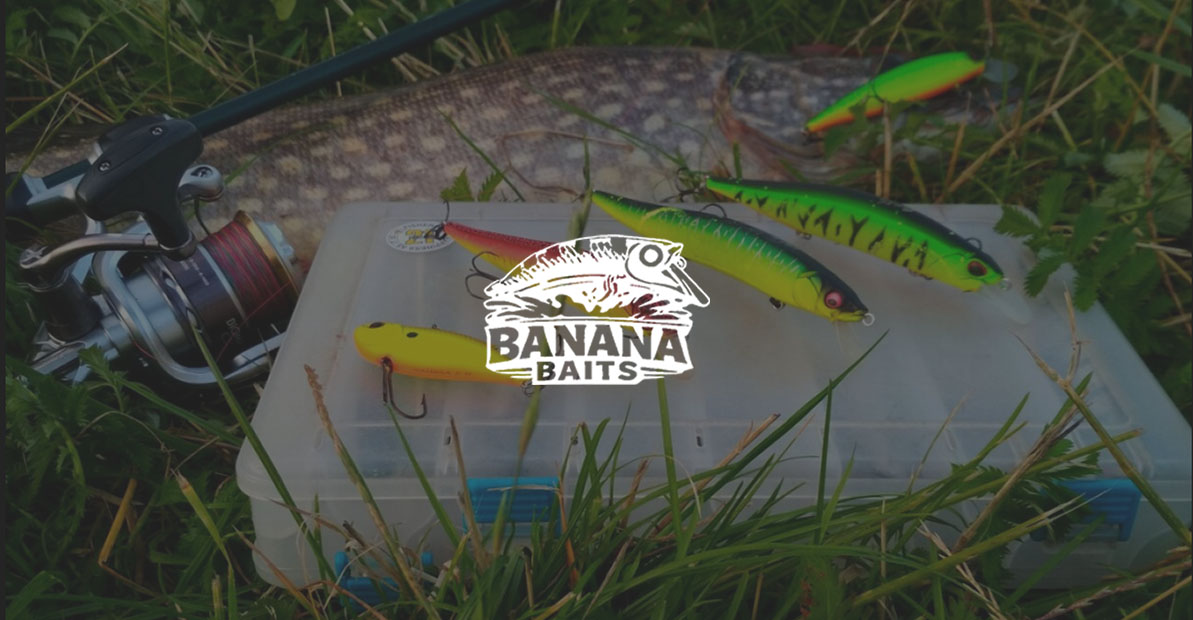
Predatory fishing is an art that requires knowledge not only of fish behavior but also of lure selection. Many anglers wonder: which lures work best for catching predatory fish? In this article, we will take a detailed look at the most effective types of lures, their features, and when to use them.
Best Lures for Predatory Fish
Today, there are many types of artificial lures. Choosing the right one depends on the fish species, water conditions, season, and fishing technique. Let’s explore the most popular and effective lures for predatory fish.
1. Wobblers
Wobblers are artificial lures that mimic the movement of small fish. They come in:
-
Floating — work near the surface and mid-water layers
-
Sinking — dive to a set depth, suitable for deep waters
-
Suspending — “hover” at a specific level, creating the illusion of an injured fish
Wobblers are especially effective for pike, zander, and perch. They allow experimentation with retrieval style and speed, making fishing more productive.
2. Soft Plastic Lures
Soft plastic lures are among the most versatile. They imitate worms, crayfish, small fish, and other aquatic creatures.
Advantages of soft plastics:
-
Realistic action in the water
-
Available in different sizes and colors
-
Suitable for jigging and spinning
Soft plastics are excellent for zander, pike, and perch, especially when fish are less active.
3. Spoons and Metal Lures
Spoons are a classic lure for predatory fish. They can be spinning, fluttering, or spinner-type lures.
-
Spinning spoons create flash and vibration to attract fish from a distance
-
Fluttering spoons mimic the movement of an injured fish
-
Spinnerbaits are effective in weedy or murky waters
Spoons are ideal for active fish and fishing at different water layers.
4. Jigs
A jig consists of a weight and a silicone or rubber body. Jigs are particularly effective for deep-water fishing.
Features of jigs:
-
Allow precise fishing at the desired depth
-
Ideal for zander and perch
-
Compatible with various soft plastic attachments
Jigs work best with slow retrieves and low fish activity.
5. Topwater and Surface Lures
Topwater lures are designed for fishing on the water surface. They create splashes and popping sounds, attracting predators.
-
Ideal for pike and perch during warm seasons
-
Effective in the morning and evening when fish are active near the surface
-
Suitable for waters with vegetation and reeds
How to Choose a Lure by Fish and Conditions
Choosing the right lure depends on several factors:
-
Fish species: pike, zander, and perch prefer different types of lures
-
Water depth: jigs and sinking wobblers are better for deep layers
-
Water conditions: in murky water, bright spoons work well; in clear water, natural colors are preferred
-
Fish activity: for low activity, slow soft plastics or suspending wobblers are best
Tips for Using Lures
To fish effectively, it is important to follow a few guidelines:
-
Adjust retrieval speed according to fish activity
-
Try different sizes and colors to find the optimal option
-
Combine lure type and fishing technique: wobbler + twister or spoon + jig
-
Monitor water conditions and weather — they affect predator behavior
Conclusion
So, which lures work best for predatory fish? The answer depends on fishing conditions and fish species. The most effective lures include wobblers, soft plastics, spoons, jigs, and topwaters.
Knowing the characteristics of each lure, using them correctly, and experimenting with color, size, and retrieval technique can significantly increase your catch. Experienced anglers often combine several types of lures to find the optimal setup for a specific water body.