
Blog
What types of baits are there and when to use them?
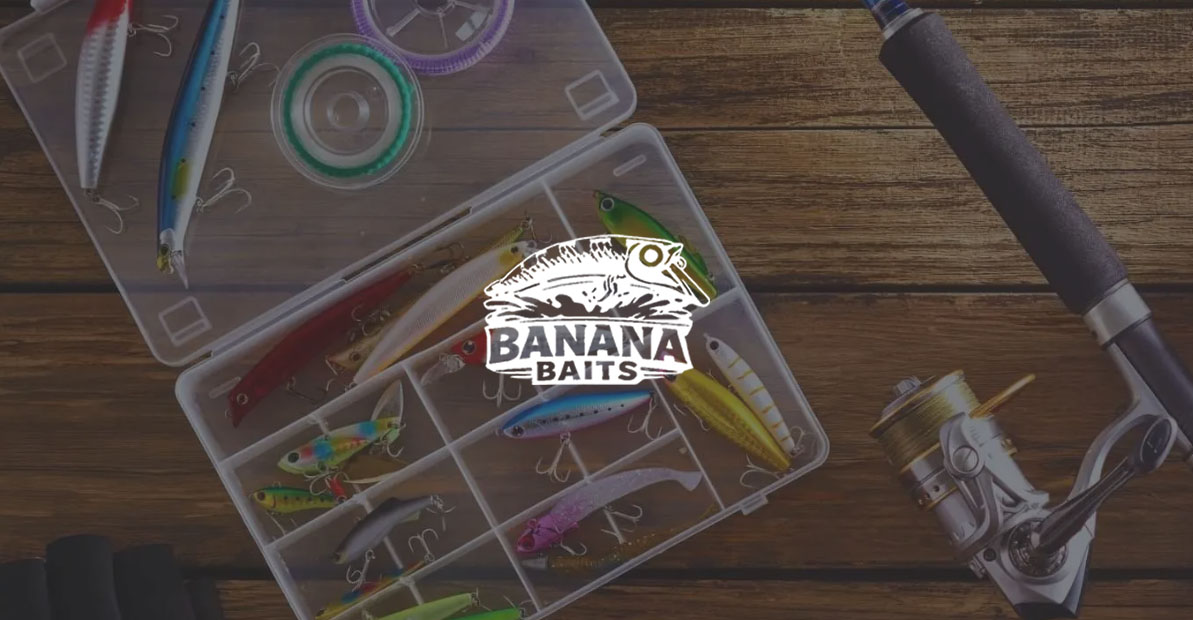
Catching predatory fish requires selecting the right lure. There are many options on the market, so it’s important to understand the different types of lures and when to use them for effective fishing. In this article, we’ll cover the main lure types — jigs, wobblers, soft plastics, and spinnerbaits — and provide tips on how to use them in various conditions.
Jig — a versatile lure for depth
A jig consists of a weight and a soft silicone or rubber body. It is ideal for fishing in mid to deep water.
Advantages of jigs:
-
Allows precise control at the desired depth
-
Effective for zander, perch, and pike
-
Works well when fish are inactive
When to use a jig:
-
Fishing in deep water or over uneven bottoms
-
Slow retrieves for passive fish
-
Experimenting with different sizes and colors of soft plastic baits
Wobblers — imitation of live fish
Wobblers are artificial lures that mimic the movement of small fish. They can be floating, sinking, or suspending.
Advantages of wobblers:
-
Realistic action in the water
-
Suitable for spinning
-
Effective for pike, zander, and perch
When to use wobblers:
-
Fishing in mid-depth or shallow areas
-
When fish are active and quick results are needed
-
Experimenting with color and retrieve speed
Soft plastics — flexibility and versatility
Soft plastic lures imitate worms, crayfish, small fish, and other aquatic creatures. They have a soft texture and come in various shapes.
Advantages of soft plastics:
-
Realistic action on slow or fast retrieves
-
Can be used with jig heads, on a drop shot rig, or with a light weight
-
Suitable for various predatory fish
When to use soft plastics:
-
When fish are passive or in cold water
-
For jigging and spinning
-
In weedy areas where careful retrieves are needed
Spinnerbaits — for active predators
Spinnerbaits are lures with rotating blades that create flash and vibration, attracting predators from a distance.
Advantages of spinnerbaits:
-
Visually and audibly attract fish
-
Effective in murky water or among vegetation
-
Ideal for pike and perch
When to use spinnerbaits:
-
In weedy areas or low-visibility water
-
For active fish in shallow water
-
For fast retrieves and aggressive strikes
How to choose a lure type
Selecting the right lure depends on several factors:
-
Type of fish — different lures are effective for pike, zander, or perch
-
Fishing depth — jigs and sinking wobblers for deep water, topwater lures and floating wobblers for shallow water
-
Water conditions — spinnerbaits perform better in murky water, natural colors of silicone and wobblers work well in clear water
-
Fish activity — passive fish prefer slow action with soft plastics or jigs, active fish respond to wobblers and spinnerbaits
Tips for using different lure types
-
Combine lure types depending on conditions and fish behavior
-
Experiment with sizes, colors, and retrieve techniques
-
Vary depth and speed to find the optimal approach
-
Use knowledge of lure history and other anglers’ experience to choose the most effective model
Conclusion
Understanding the different types of lures and when to use them is key to successful predatory fishing. Jigs, wobblers, soft plastics, and spinnerbaits all have their unique features, advantages, and ideal conditions. Choosing the right lure, using proper retrieval techniques, and knowing fish behavior will help increase your catch and make fishing as productive as possible.